SUSTAINABILITY - UN GOALS
The environment and how we impact it, is something I always cared about.
In 2016 I studied Sustainability and travelled the UK, USA and Canada to go to conferences, events and meet communities and talk to them directly to see what humans do to tackle the oh so many issues, how they affect each other and how they keep themselves motivated.
Greenwashing, wish-cycling and charitable work that does more harm than good happen more regularly than we know.
Greenwashing is when you claim something is “green”, but it’s just empty words. Examples are wetwipes that are being labelled “flushable” but they actually aren’t and end up in the Thames (yep, there is a “wet wipe island"… ). Or biodegradable products that are only biodegradable in industrial composting and emit more methane if not disposed of properly aka they are more expensive, make the person feel good about doing good while unknowingly harming the planet.
Wish-cycling is when you hope something is recyclable and therefore put it in the wrong bin - which might cause the entire load not be recyclable and end up in landfill.
Charitable work can often do more harm than good. When it is a short term solution and a band-aid that makes a region reliable on foreign help for example and doesn’t help the community to help themselves for example. Instead of delivering water, a local well and teaching the locals how to build it - and maintain it on their own - does help a lot more.
But Sustainability is so much more than just environmental work.
Only if someone is well off can they think about considering the environment. If someone doesn’t have their basic needs met, how do we want them to think about the wider picture? The UN’s Sustainable Developments Goals address all of the topics that need to be tackled to live in a truly sustainable world. Human rights have an environmental impact more than we know.
Below I have listed all the Goals and what they mean and how they could be address in the Film & TV world. I am still passionate about this and hope to be a tiny part at leaving our planet a bit better than we left it. Film is political, it shows a single human perspective and can lead to a lasting change in perspective for the viewer.
What are the SUSTAINABLE DEVELOPMENT GOALS (SDG)
As a Star Trek fan, the similarities between the SDGs and what the Federation stands for got me hooked.
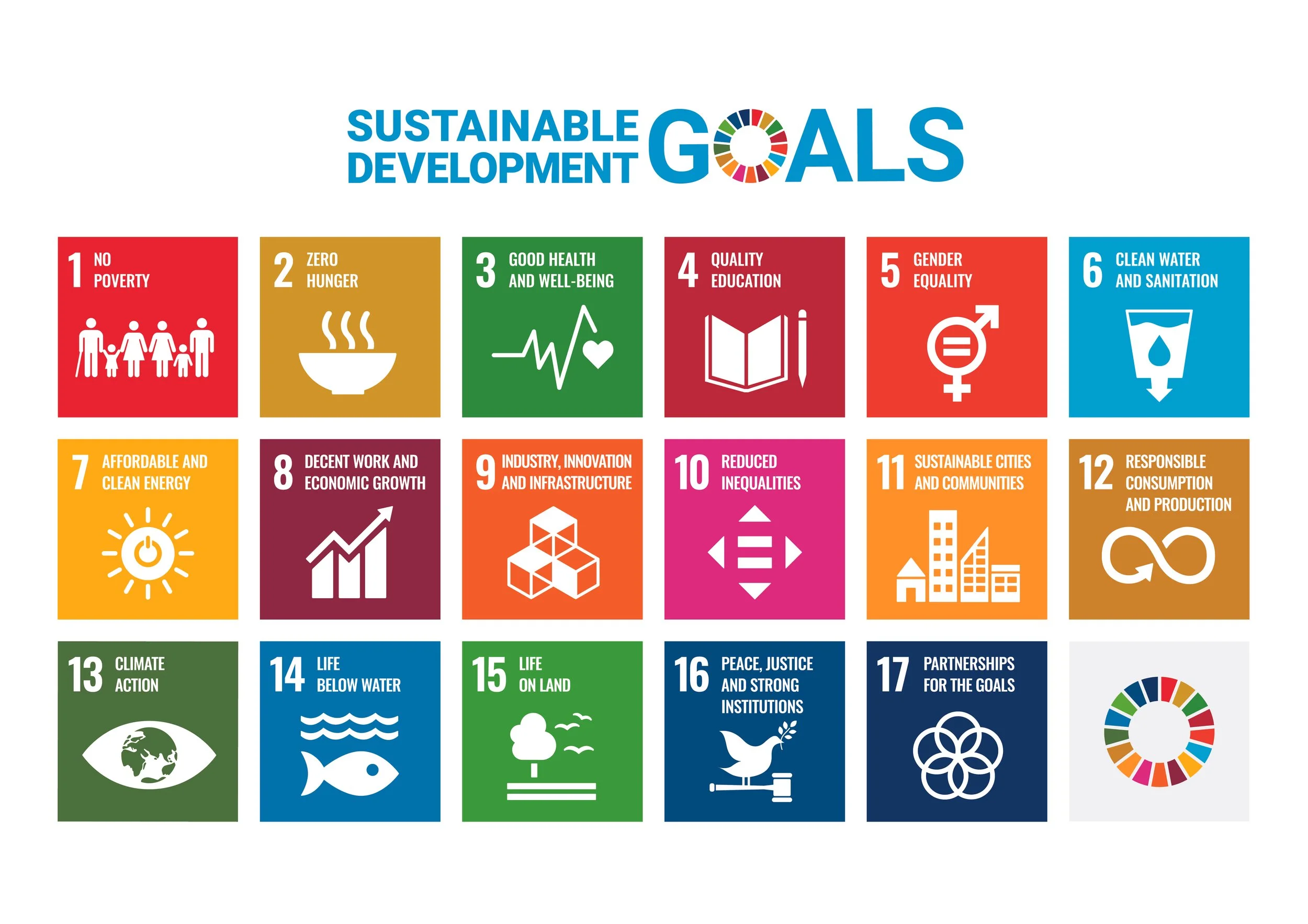
“The 2030 Agenda for Sustainable Development, adopted by all United Nations Member States in 2015, provides a shared blueprint for peace and prosperity for people and the planet, now and into the future. At its heart are the 17 Sustainable Development Goals (SDGs), which are an urgent call for action by all countries - developed and developing - in a global partnership. They recognize that ending poverty and other deprivations must go hand-in-hand with strategies that improve health and education, reduce inequality, and spur economic growth – all while tackling climate change and working to preserve our oceans and forests.”
As flawed as the UN might be, which is also the case for the Federation in Star Trek, the idea behind it is something we need to preserve. From the moment I read about the SDGs I was fascinated by them. It made so much sense. I always struggled with defining what environmentalism meant for me personally and I struggled putting into words how all the different causes I was trying to support were interconnected.
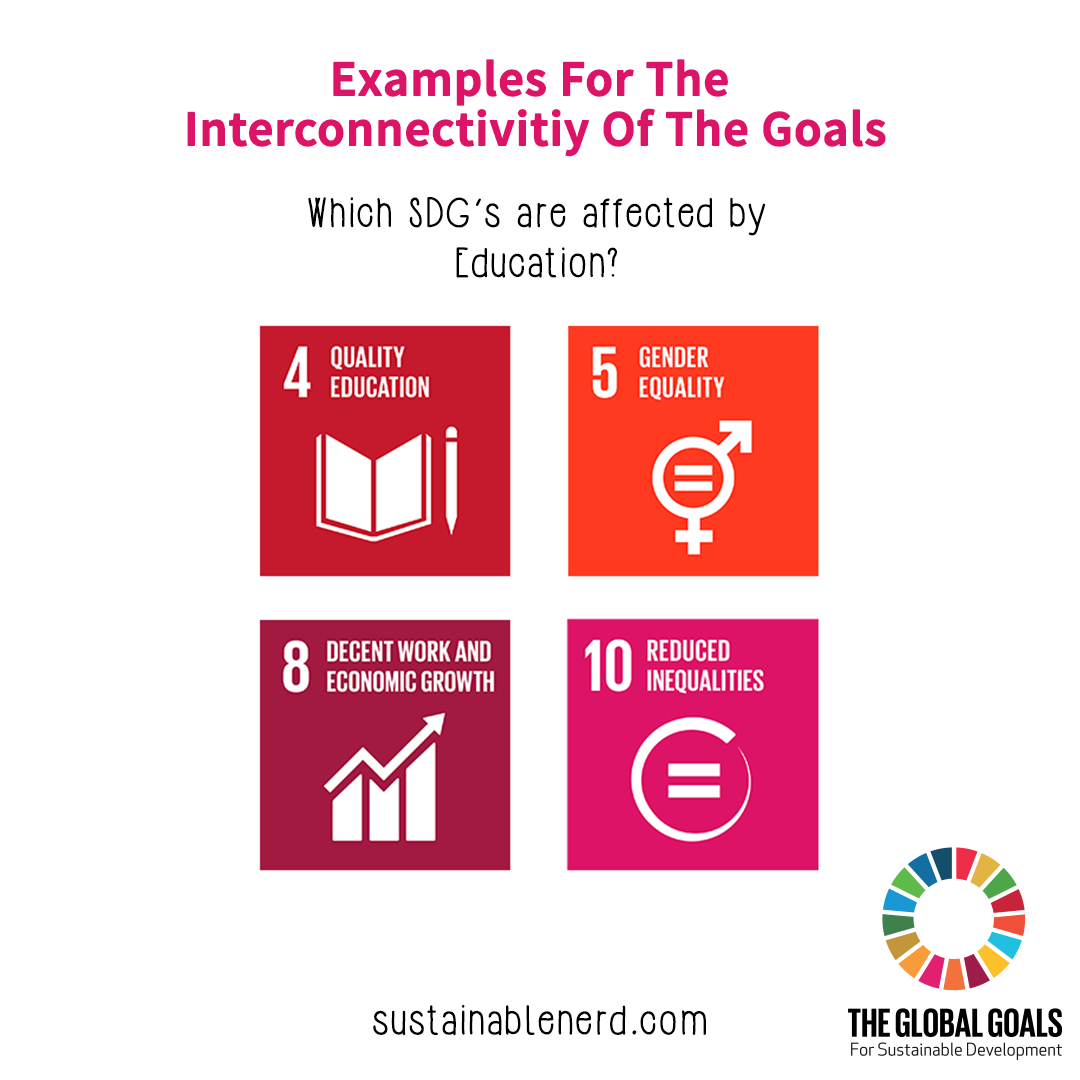
If someone has access to education, if someone’s mental health is supported, the society is better off and being able to make environmental decisions are more likely. But this needs to happen on a global scale, not just the developed countries which often are the cause for other nations not being able to get out of their corner we backed them into.
Our phones for example are built with minerals sourced under horrendous conditions, same as our clothes, and companies should be held accountable (Highly recommend the London Mining Network as a source).
Below are detailed examples for each goal and Film specific ideas.
No Poverty
The first few SDGs address meeting basic needs. Unfortunately this is something even developed countries still need to tackle. Some things are imposed on every employer such as minimum living wages, some things can be added as benefits, such as childcare subsidies and other costs that an employee might not be able to afford. Productions should encourage crew to raise issues and see what can be done.
2. Zero Hunger
Every production covers catering during production and some basic snacks during prep thankfully. With the long hours cooking or buying food would not be possible. But we create a lot of food waste. While there are a lot of restrictions on what can be donated due to food safety guidelines, every production I worked on managed to donate left over food in some capacity. This should be standard practice for all caterers ideally, but often depends on where we shoot and being a travelling circus.
3. Good Health and Well-Being
Thankfully most productions take good care of their crew nowadays. With Risk Assessments demanded by insurers, medics on set, sometimes flu shots being offered on longer productions and most crew being transparent about any health needs that might need to be met, there is little to improve.
The long hours and intense demands though do take a toll on their Mental Health. While many productions offer cast and crew support, have memos and work with Mental Health providers, until the long hours are being addressed, this will just be putting a plaster on instead of treating the source.
I am a Mental Health Aider and have unfortunately needed to use my training a few too many times…
4. Quality Education
While the Film & TV industry is famous for being a career where you don’t need formal training, some departments could benefit from more mentoring and guidance. Most jobs are so fast paced, that helping someone step up often seems impossible.
On most jobs some kind of placements through schools like the London Screen Academy are possible without any extra costs besides catering. Talking to HODs early on to see what they think could work before it gets busy closer to a shoot day should be standard practice.
Something that always fascinated me is the theory of Gamification. To learn through Games. Monopoly for example was meant to be a game showing the negative impact of Capitalism on society. Though a very successful game, the lesson was not learned. But, there are many ways to maybe make learning more impactful and easily accessible to more people.
Some great free resources can be found here from the UnSchool of Design based in New York - Toolkits
5. Gender Equality
Unfortunately this is not a topic of the past. There still is a gender pay gap - if not for specific jobs, it is visible in gender typical departments. HMU and Costume which are female heavy departments, have much lower BECTU rates than Camera or Lighting departments for example. Unions should look at this and try to find a middle ground where it’s obvious, and for example make sure all trainee rates are the same for all departments. While most LPs do this, the BECTU rate cards vary significantly.
Also female writers, directors and producers are still a minority. Organically I have worked on a lot of female heavy productions and hope to see this more often.
6. Clean Water and Sanitation
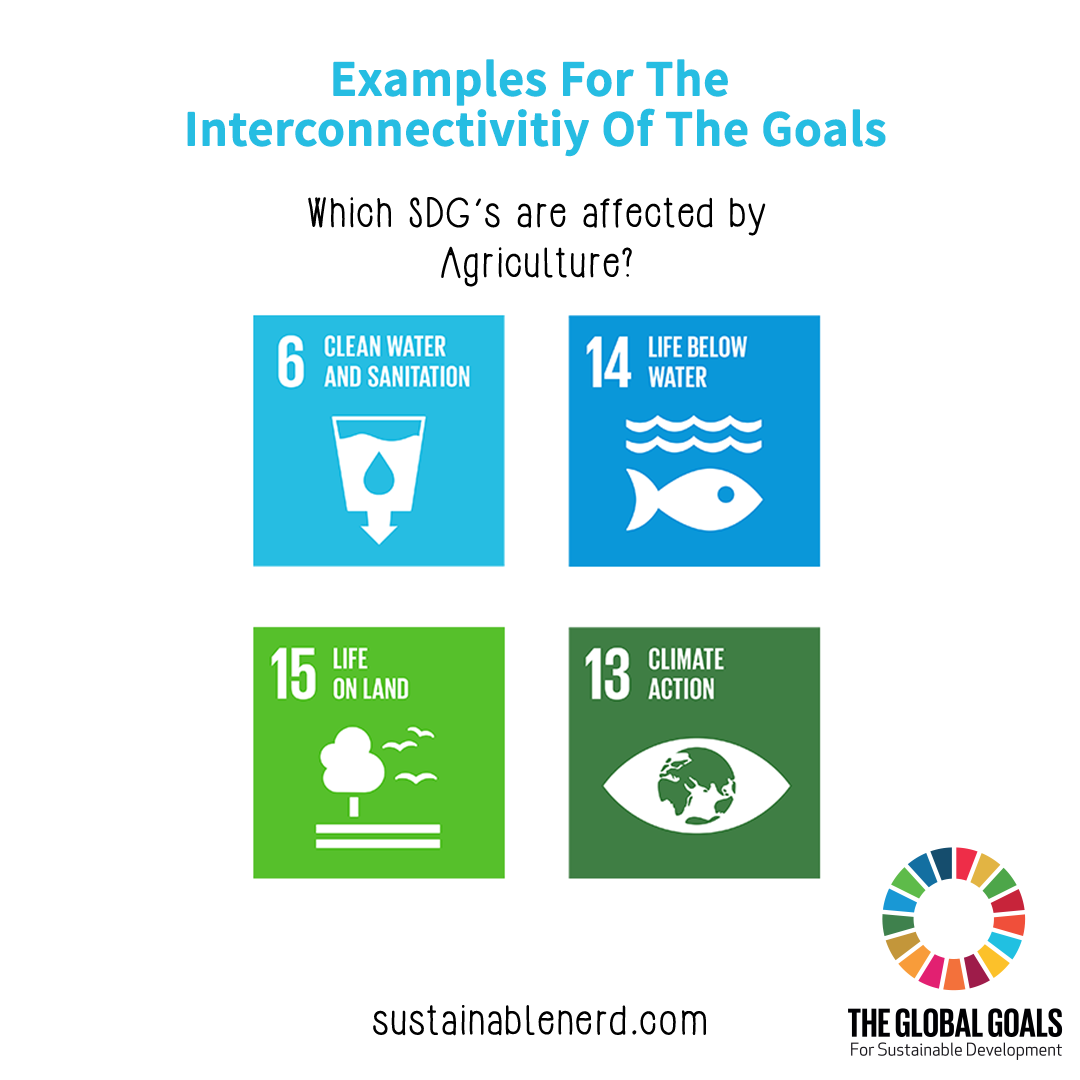
Even in the UK this is not a given yet. As a former volunteer for Surfrider Foundation and Surfers Against Sewage, I know too well how bad the water quality is. The sewage system in London overspills regularly into the Thames, and every river and waterway in the UK could be contaminated.
This means if we shoot in waterways, we should not assume that the water is safe, but check with local sources. This also means that we have a responsibility to not add further damage to any waterway surrounding us. Some productions shooting abroad donated left over bottles to local organisations should the tab water not be safe to use as another example. Thinking outside the box is always great and often comes from crew members like production secretaries who rarely get the credit they deserve.
7. Affordable and Clean Energy
This is a tough one… especially on film sets not based at Studios where the infrastructure is always there and easier amortised.
A regular production with an often very tight budget, can’t afford to offer green energy sources. Bio Diesel is expensive, charging stations for cars are difficult especially given how remote we often are from where people live and one charge might not be enough to make it home. Most batteries for cars or other tech has a higher impact on the planet’s resources and a car batteries are hard to recycle.
This does not mean that we should not address the issue, but national guidelines do dictate a lot of what can be considered affordable. Studios and larger production companies have a chance to make a difference to increase demand and make it easier for indie productions.
8. Decent Work and Economic Growth
As much as economic growth can be good, it often does not trickle down and regular work is something most of us freelancers hope for the most. Instead of a few bigger productions at big Studios, a lot of slightly smaller productions would benefit the industry most. Investing in more development to make this possible would be one step, and investing in new talent.
9. Industry, Innovation and Infrastructure
This is something the industry is actually quite good at. As a creative industry that is also quite technical involving a lot of logistics, we are constantly innovating.
10. Reduced Inequalities
Where to start. It is hard to get into the industry without connections, or the ability to survive longer dry phases. It is a very unpredictable industry. Which makes it hard for people coming from a lower economic background to make it - or to stay in it. Recently a lot of people are leaving the industry, mainly out of financial difficulties or because they could not maintain a family life while working our long hours - which mostly hits woman since they are more likely to stay home with the kids.
We still have a few BPOC initiatives, but not enough I think. If you look around on most sets, they are very male and very white. While hiring someone based on the colour of their skin (black or white) is forbidden, making it easier for under-represented groups to get into the industry should continue to be a major topic. A set should represent the population I see when I walk through the UK. This would also make the stories so much more interesting and innovative.
11. Sustainable Cities and Communities
As a production ion we might think we do not have a lot of impact, but if we build something somewhere, we should keep in mind how it might benefit the community after we leave. If something we build, costumes or props can be given to a charity. If we leave the place the way we found it or invested into the local community instead of sourcing things from further away out of convenience. This goes for catering, coffee, crew and materials we use. With a bit of time during prep this can often be a big impact on a community.
12. Responsible Consumption and Production
Every production consumes so much and buys everything from scratch. Everything… Microwave, kettles, toasters, chairs, tables, couches, stationary and so much more. Renting is often more expensive than buying which should not make sense. It’s the case for a lot items like costume rails and HMU chairs that quickly become cheaper being bought if a production runs for longer than 3 months. And then we have to sell it for cheap or donate it / get rid of it. The same goes for costumes, props and many more items.
Most departments try to buy as little as possible and only use what’s needed - mostly to save money in their budget. But this saving often leads to buying from fast fashion companies and cheaper chains and the amount of packages delivered and miles driven to pick items up seems to never go down.
Since no production is the same, this needs to be checked during prep with each HOD to see what is possible and what the budget allows unfortunately.
13. Climate Action
Climate Chane is real - and we can see the consequences everywhere. On a production we have to plan for more eventualities, more extreme weather scenarios. What we can do are a million small things to lower our carbon foot print. Recycle, compost, drive and fly less, choose reusable products. It’s also important to keep being educated about new developments and how to tackle climate change with everything we do and pay for.
14. Life Below Water
Our waterways are an integral part of our ecosystem and are in danger. We overconsume, don’t take good care of it and forget how fragile they are. As a production we can offer fewer fish dishes, check how to preserve a beach or a waterway should we shoot there and make sure we don’t leave any waste near waterways.
15. Life on Land
We all love our pets. Well almost all of us. But we forget that every tiny living thing is part of our ecosystem and that we need to preserve it. That goes for wildlife as much as for our pets and animals we raise for profit. Lowering the amount of animal products used on a production can significantly lower the carbon footprint as well. How we leave the environment influences all animals. If we leave garbage around they might consume, tiny plastic parts, food that might be toxic for the wildlife or destroy their habitat - we have an impact on their wellbeing. While shooting on National Trust grounds we do get a lot of advice on what and what not to do (don’t drive through certain areas at certain times to not disturb the local deer for example) - but as soon as we are anywhere else it is on us to check.
16. Peace, Justice and Strong Institutions
A movie can change the public’s perception. Make them empathise with people they usually wouldnt. Open their eyes to a different point of view. This should be taken into consideration when developing a script. What we say and show matters. If we make violence look normal (and i don’t mean computer games that are pure fiction), we have an impact. If we make a movie about Palestinians, we have a responsibility to tell it from their point of view. If we make a movie about domestic abuse, we could change an MPs opinion who might vote differently.
Though very vague of how this can be addressed, we have an immense impact on the world and what we percieve as reality.
17. Partnership for the goals
We can’t do it alone, we need the critical mass to tip the effectiveness of what we implement - and opinions.
As a production we can reach out to Albert, the BFI, Film and TV Mental Health charity and any other organisation we can think of. Netflix has a sustainability team on most productions by now - and as unsustainable as their big productions might be, it is a move in the right direction and together we can make a difference.
Events I went to that still inspire me today
41st annual Scholar & Feminist Conference, by Barnard Center for Research on Woman, Columbia University, New York
Annual Conference on Sustainable Development, by Sustainable Development Solutions Network & the Global Association of Masters of Development Practice Programs, opening speech by Ban Ki-moon, Columbia University, New York
Assessing Vulnerability of Biodiversity to Climate Change, by ZSL & BES Climate Change Ecology Group, ZSL London Zoo, London
CommonBound 2016, 3 Day Conference by New Economy Coalition, SUNY Buffalo, NY
Designing Democracy for the 21st century, by Assemblies for Democracy, House Of Commons, London
The End of Alchemy: Money, Banking and the Future of the Global Economy? - Lord Mervyn King (Governor of the Bank of England, 2003-2013), by Global Governance Institute, University College London
Feeding a growing population: Food Sustainability and International Economic Law, by UCL Institute for Sustainable Resources, London
The Future of Waste Management & Recycling Conference, by the University of Salford, London
Gamification & Game Theory for Making Change, by Un-School of Disruptive Design, Centre for Social Innovation, New York
Humanitarian response in crisis, by Overseas Development Institute (ODI), London
Labels Decoded: Finding Meaningful Labels In A Sea Of Marketing Claims and Why It Matters In Creating A Healthier Food Production System, by NYC Food Policy Center, New York
Managing the Water Cycle Effectively, by Parliamentary Office of Science and Technology, Parliamentary Office of Science and Technology, London
Mapping the future of finance, by “A Message from Financialization, Economy, Society and Sustainable Development (FESSUD) Project and the Bank of England”, Bank of England, London
The Next System Project NYC Convening, 2 Day Conference, by The Next System Teach-ins, Joseph S. Murphy Institute & New School, New York
On Sustainability - The International Conference on Environmental, Cultural, Economic & Social Sustainability - special focus Urban Sustainability: Inspiration and Solution. Portland, Oregon
Resisting Rio Tinto: learning from the Frontline, by London Mining Network, School of Oriental & African Studies, London
The United Nations - has our global experiment worked? - Natalie Samarasinghe, Executive Director of UNA-UK, by Global Governance Institute, University College London, London